Desert Modernism 101 - Albert Frey
Albert Frey: The Visionary Behind Palm Springs’ Desert Modernism
Welcome to the first in a new blog series - with Desert Modernism 101, my goal is to share the stories behind some of my favorite architects in the mid-century Desert Modernism movement in Palm Springs, alongside photos of the projects that I’ve had the incredible fortune to document. With that in mind…all of the photos here were taken by yours truly over the last decade or so, and if I haven’t visited and/or photographed a project, I probably won’t be discussing it here!
If you spend any amount of time in Palm Springs as a fan of mid-century architecture, if becomes rapidly apparent that two architects stand out from the (embarrassingly talented…) crowd as having an oversized impact on the architectural spirit of the city - E. Stewart Williams and Albert Frey. Since Frey 1) arrived and got to work earlier and 2) his work literally greets you as soon as you leave the airport, at Palm Springs City Hall, we’re going to start this series with Frey.
Albert Frey, born in Zurich in 1903, trained in Europe and worked with Le Corbusier. Frey immigrated to the United States in 1930, but it was in 1934, when he designed the Kocher-Sampson Building in Palm Springs with A. Lawrence Kocher, considered to be the first modernist international-style building in the city, that Frey truly found his muse in the stark beauty of the California low desert. He fell in love with the landscape’s dramatic light and rugged terrain, making the area his home and adapting European modernist principles to help create what would become known as Desert Modernism.
Desert Modernism emerged as a response to the harsh desert environment, emphasizing designs that harmonized with nature. Frey pioneered architecture that embraced the climate through features like large glass walls for indoor-outdoor living, shade structures to combat intense heat, and integration with the natural topography. His work focused on simplicity, efficiency, and environmental sensitivity, and influenced generations of architects and designers worldwide.
Frey House II
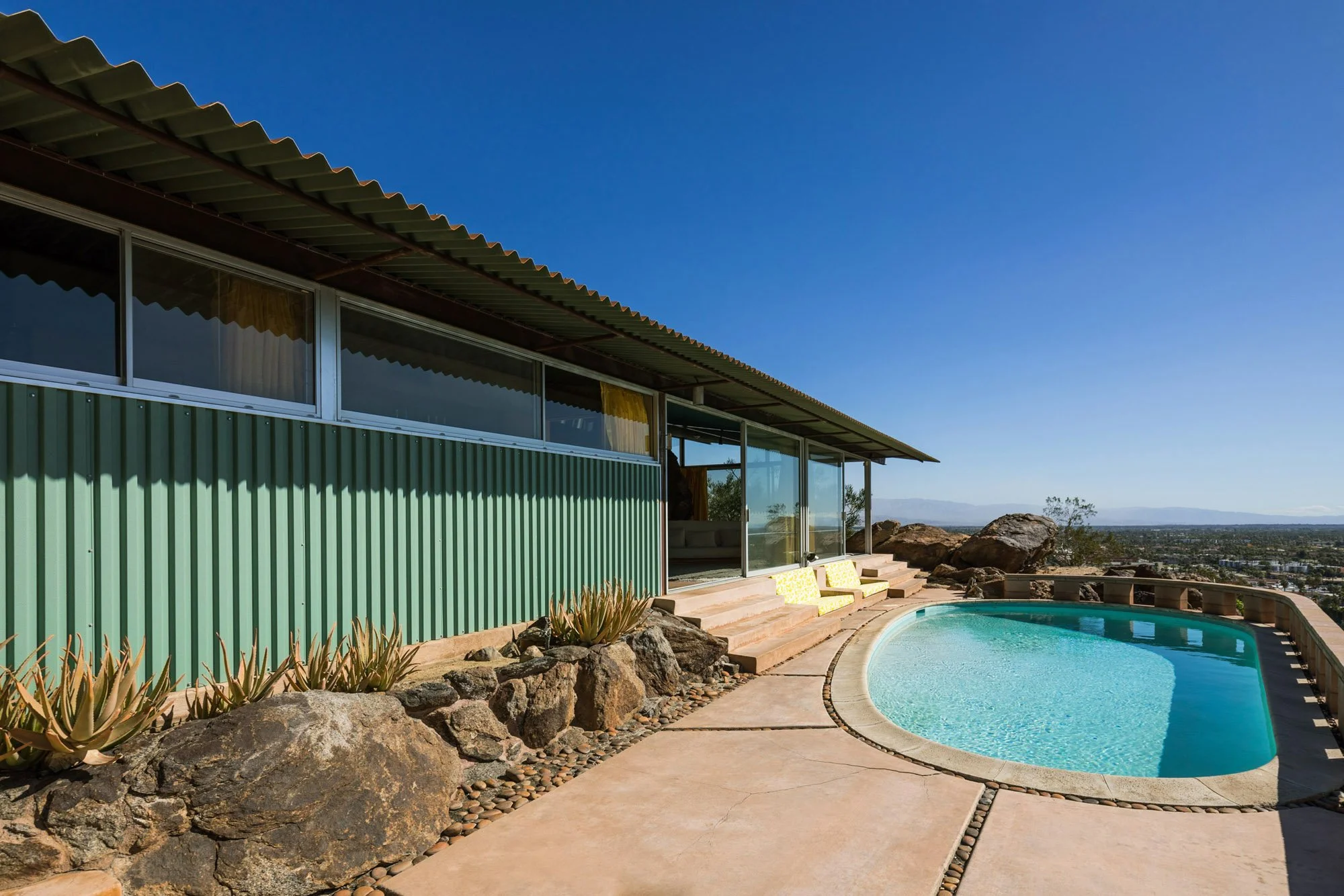
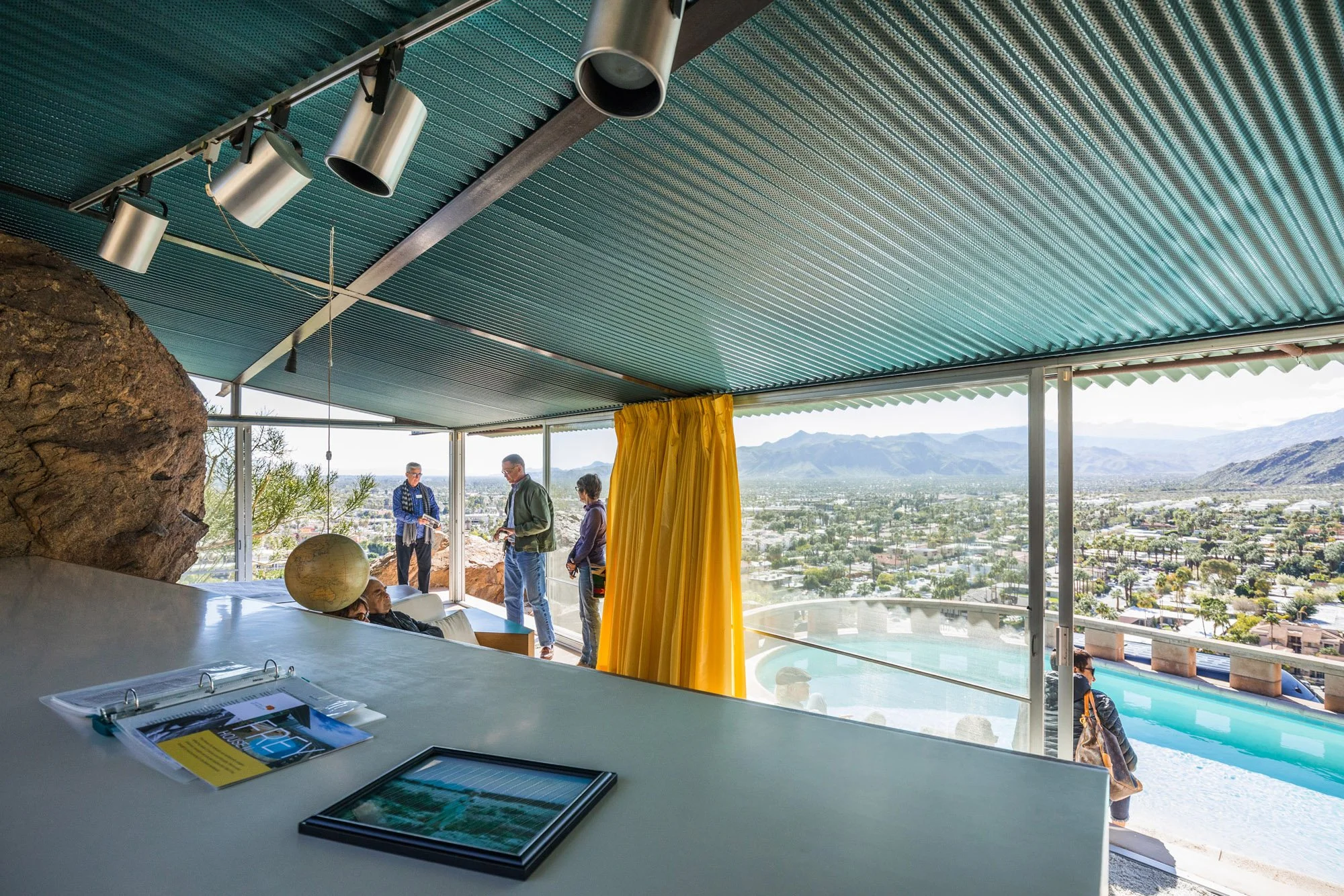
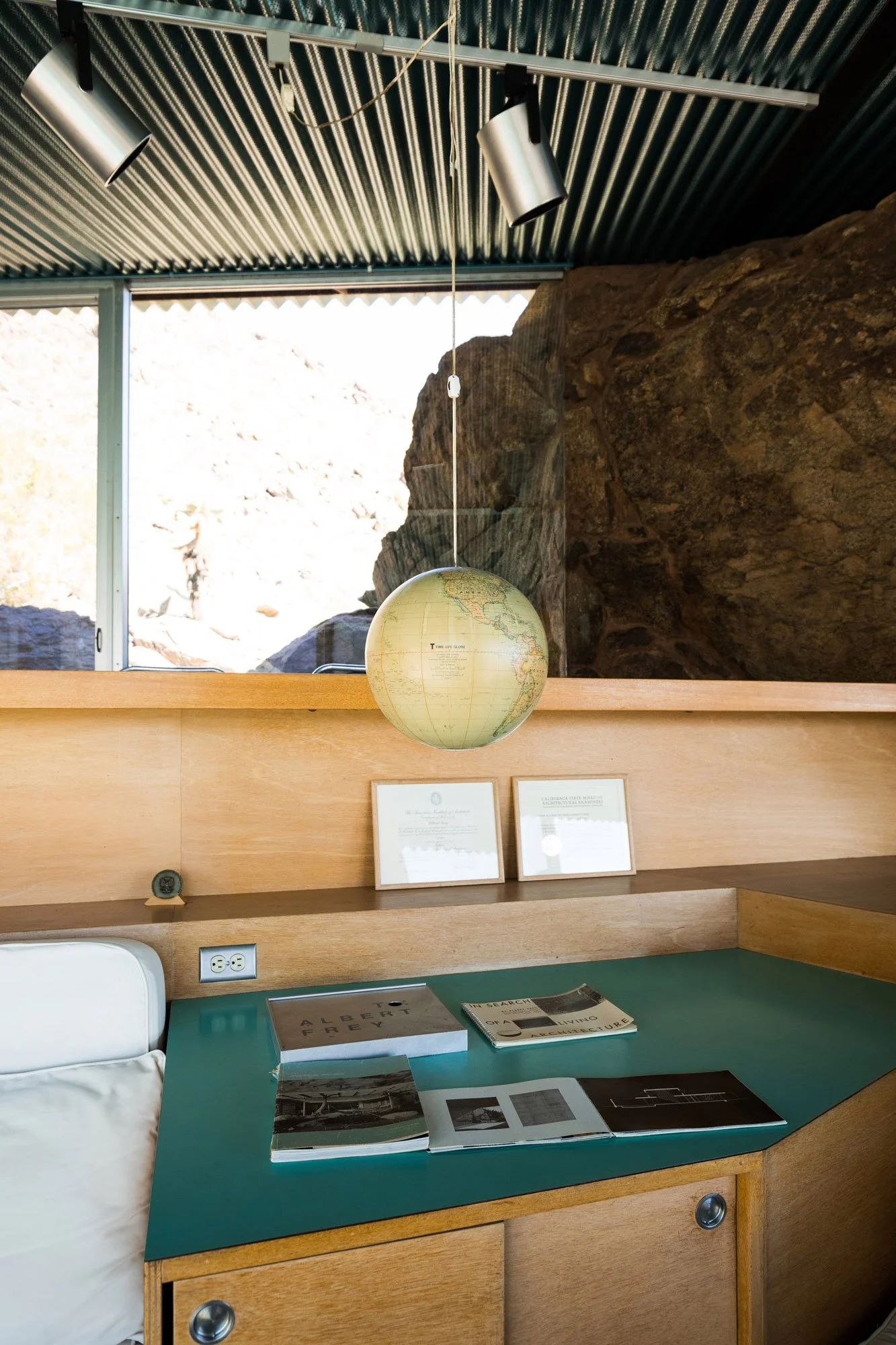
Perhaps Frey’s most iconic work, completed in 1964. Perched on a hillside overlooking the city, this compact 800-square-foot home exemplifies his philosophy by incorporating a massive boulder into the home itself, with extensive glass walls offering panoramic views of the Coachella Valley. Today, owned by the Palm Springs Art Museum, it stands as a testament to Frey’s mastery of site-specific design.

The Cree House - AKA “The Forgotten Frey”
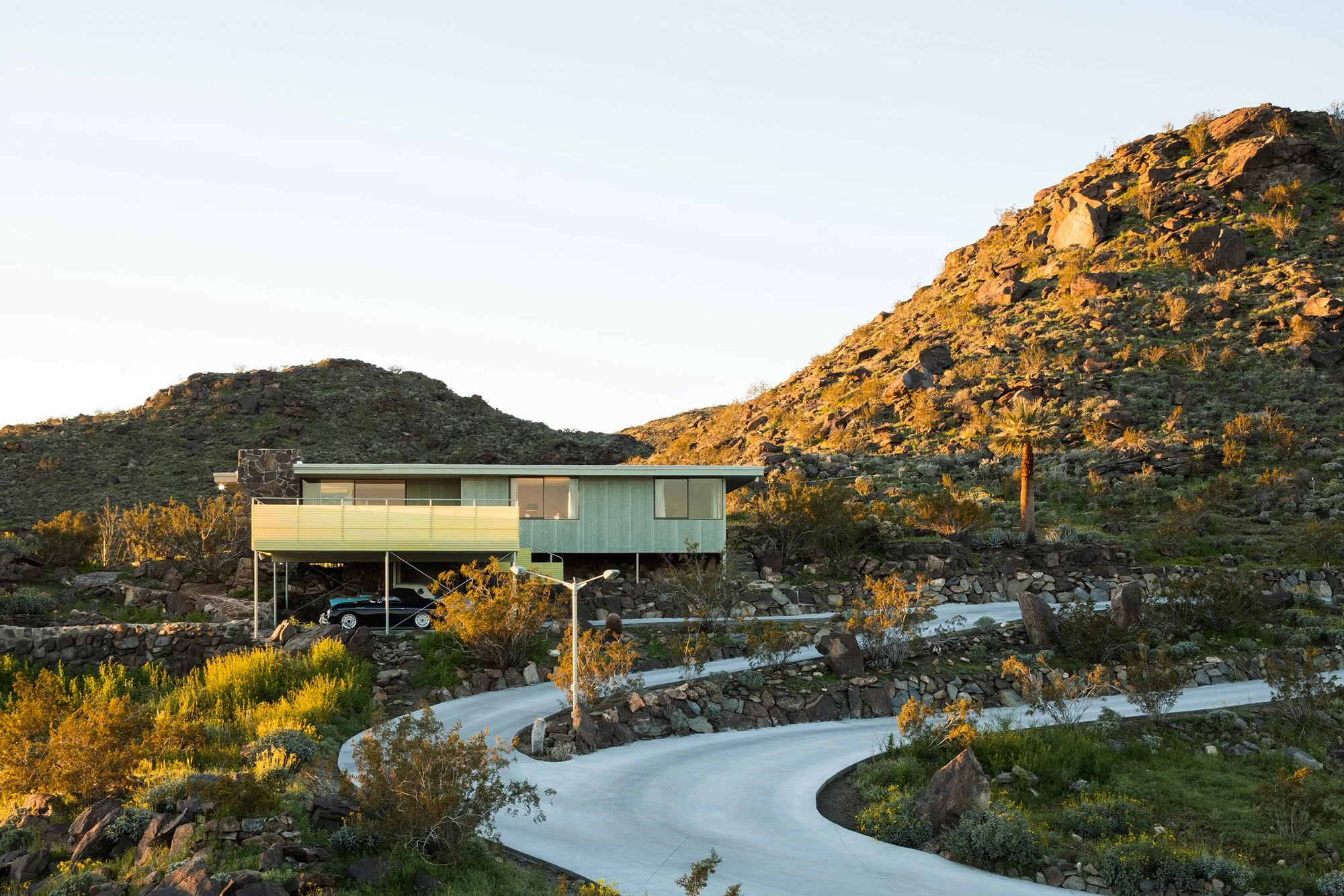
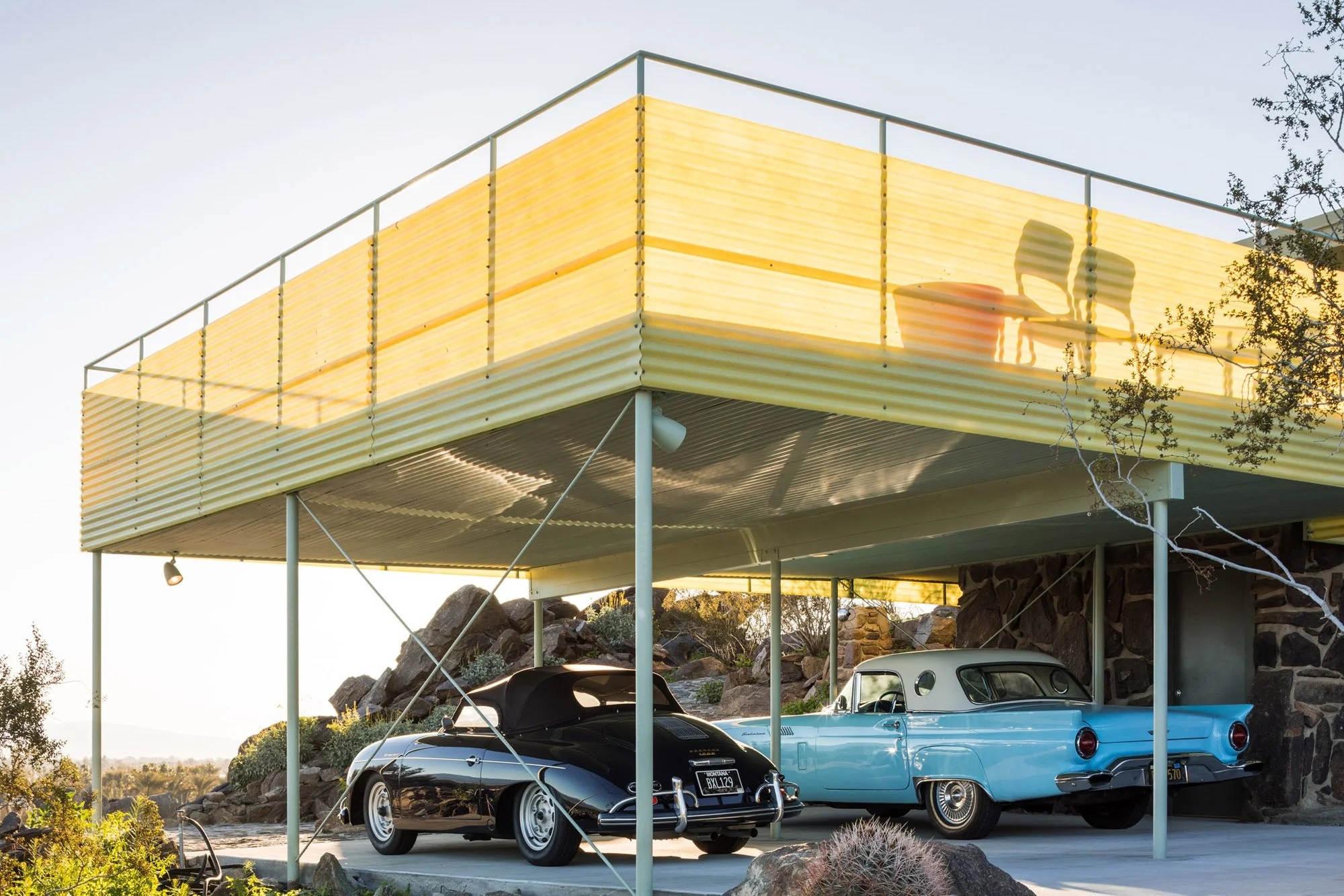
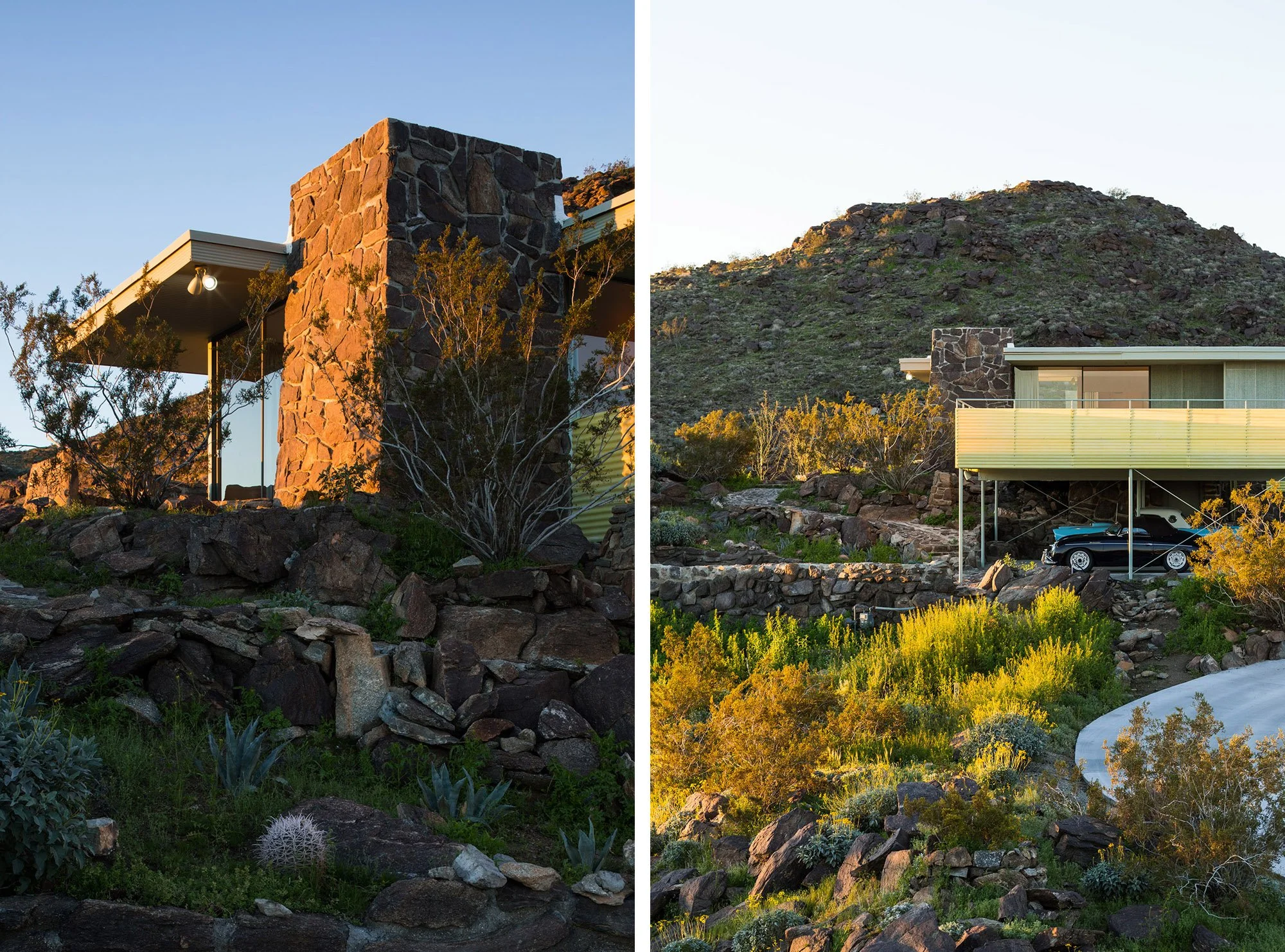
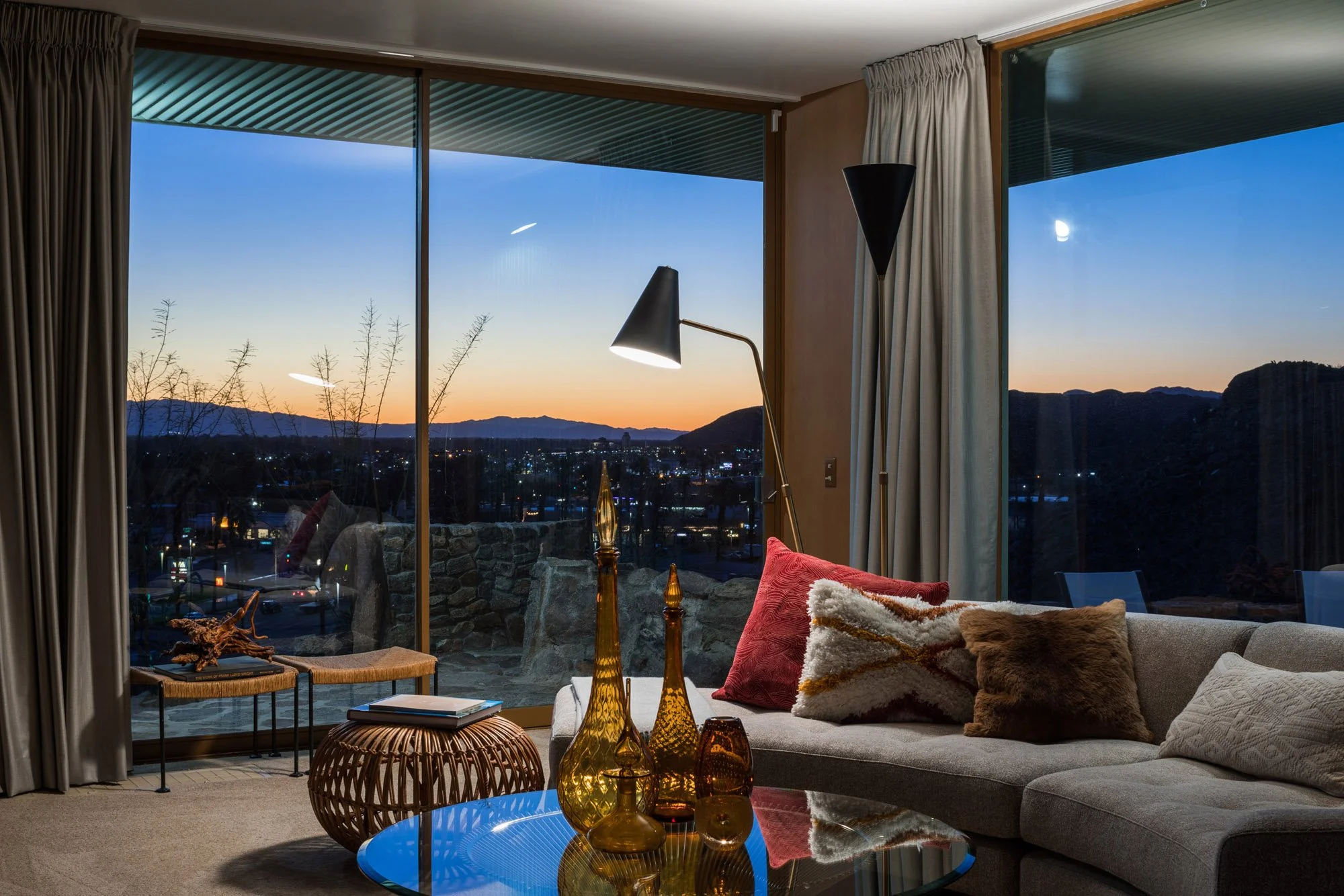
The Cree House, also affectionately known as the “Forgotten Frey,” is a remarkable yet lesser-celebrated gem in Albert Frey’s portfolio of Desert Modernist architecture. Completed in 1955 for real estate developer Raymond Cree on a rugged hillside straddling the border between Palm Springs and Cathedral City, California, this single-story residence was originally envisioned as part of a larger luxury resort called the Desert Hills Hotel, but those ambitious plans were scaled back to just this private home. Elevated on slender steel pilotis to minimally disturb the rocky terrain, the structure appears to float above the desert landscape, featuring characteristic Frey elements like corrugated fiberglass railings, asbestos cement exterior panels in earthy tones, large sliding glass doors, and a native rock fireplace that integrates the site’s natural granite directly into the living space. Long shrouded in mystery due to decades of private ownership with no public access, the home underwent meticulous restoration to preserve its original mid-century materials and integrity. It briefly opened to visitors during Palm Springs Modernism Week in 2019, revealing one of the most intact examples of Frey’s innovative, climate-responsive design outside his own Frey House II.

Palm Springs City Hall
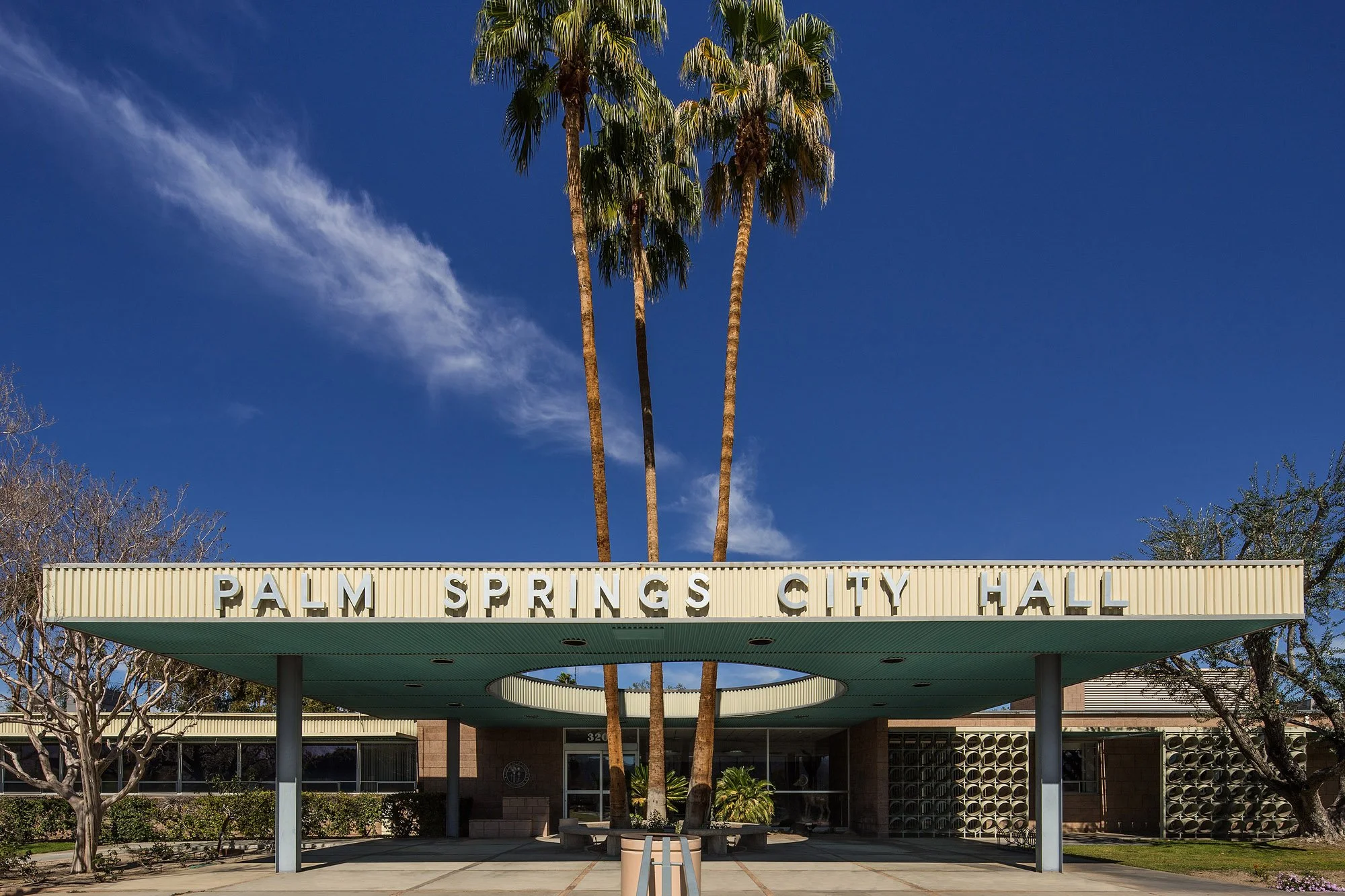
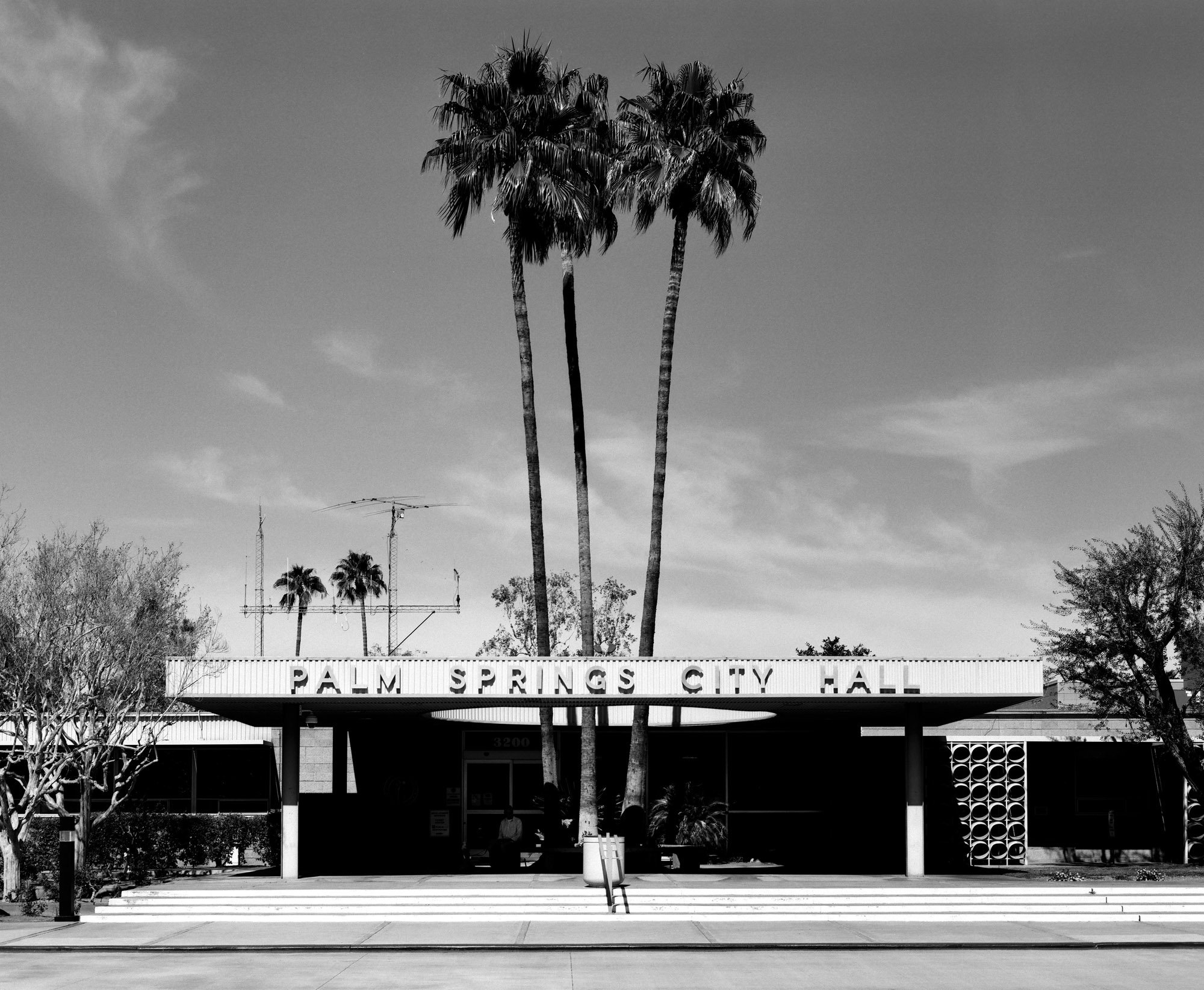
Another must-see Frey landmark is Palm Springs City Hall - if arriving by airplane, it’s going to be one of the first things you see as you leave the airport! Designed in collaboration with Chambers & Clark, it features a distinctive circular courtyard with palm trees piercing through the canopy, and its facade includes unique projecting concrete blocks that create dynamic light and shadow patterns. It embodies Frey’s commitment to public architecture that integrates with the environment, providing shade and visual interest in the desert heat.
Tramway Gas Station + Valley Station
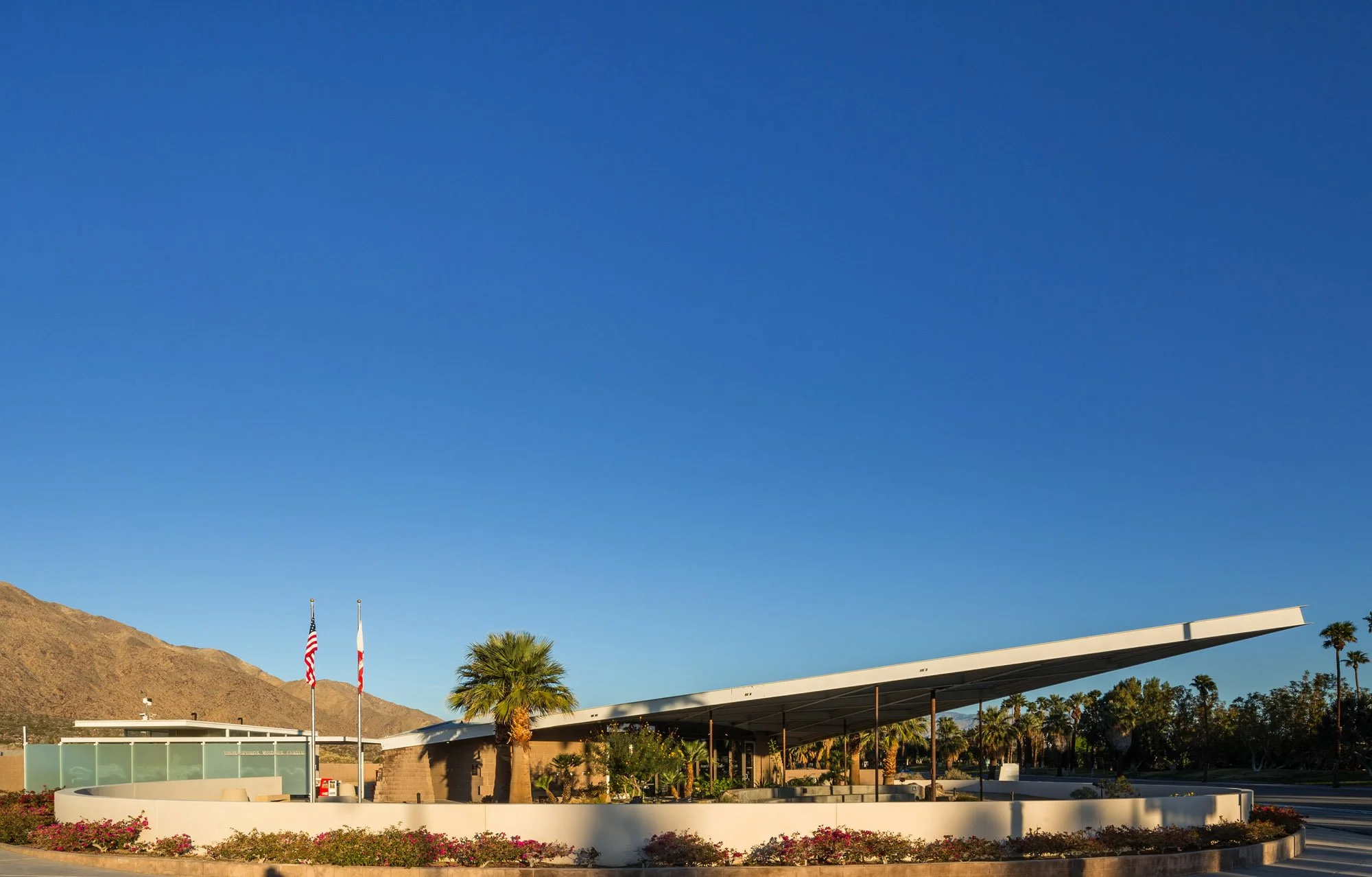
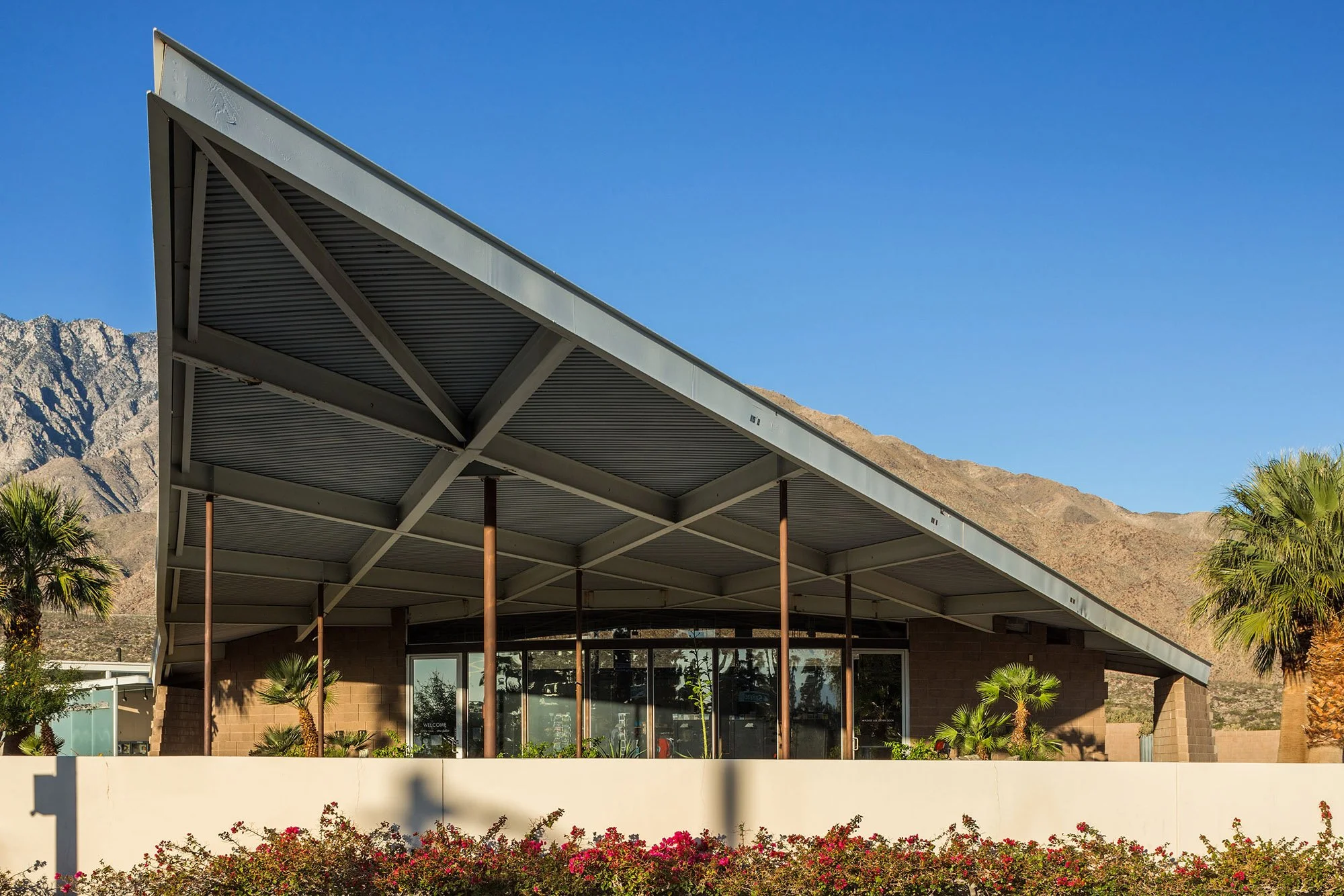
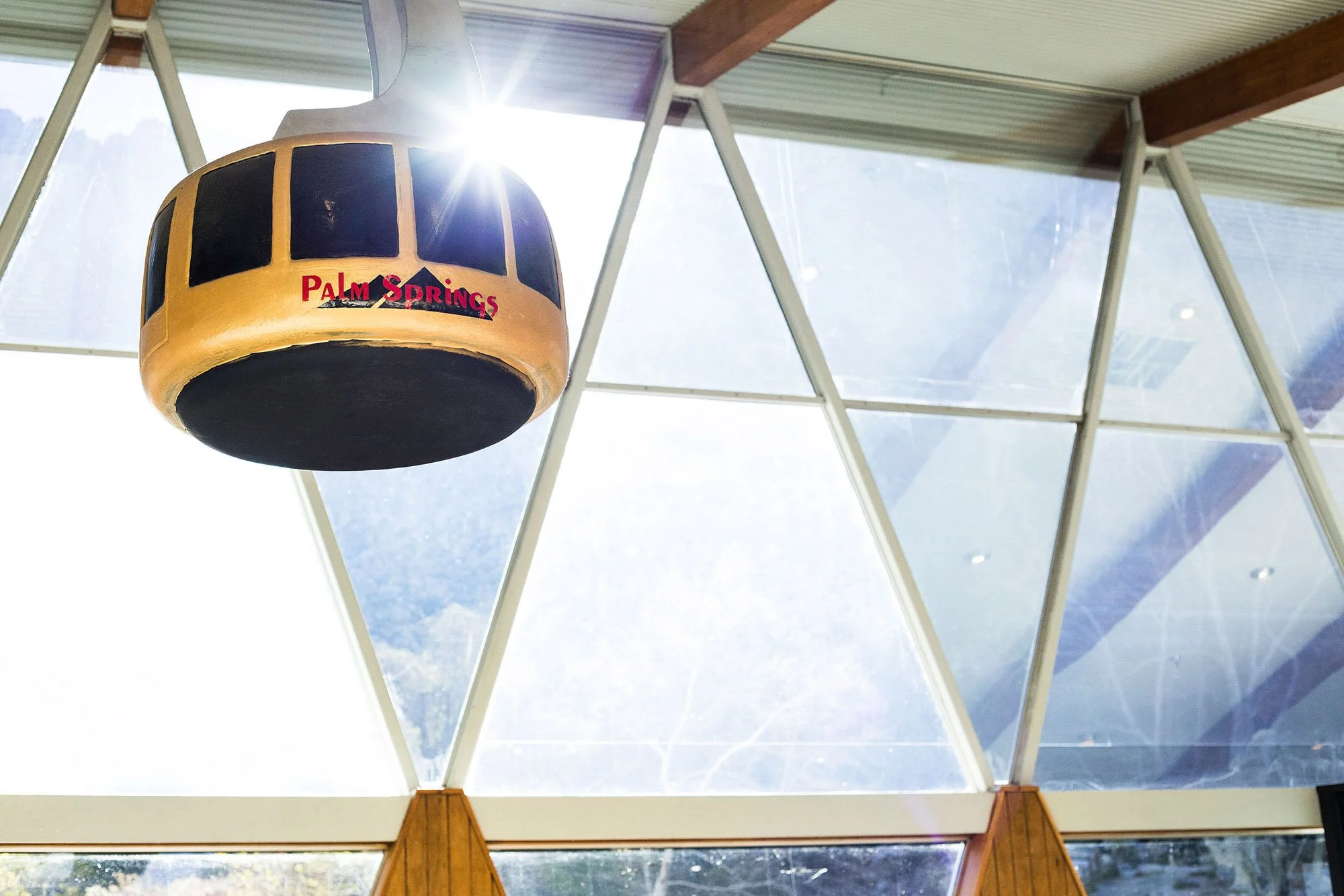
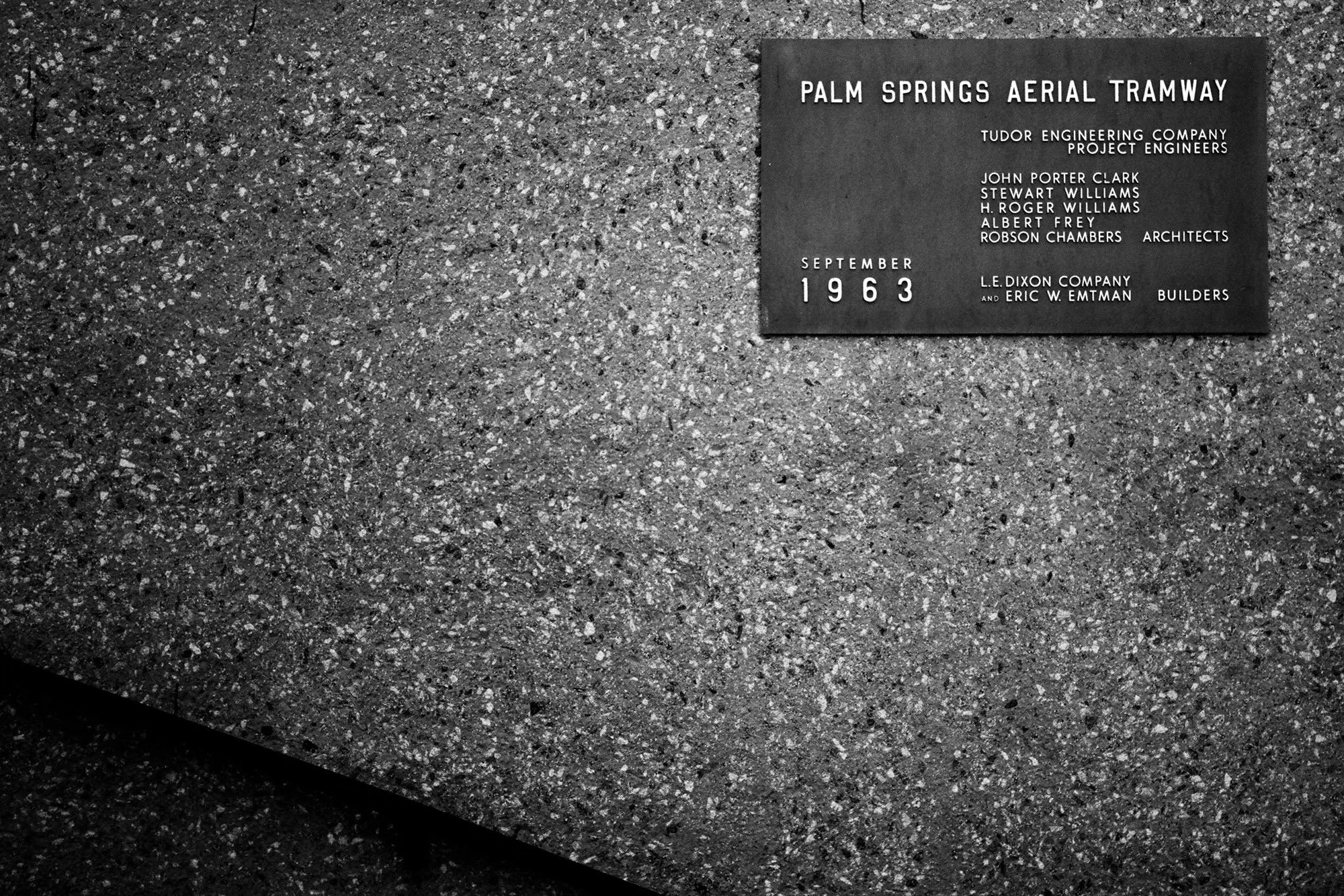
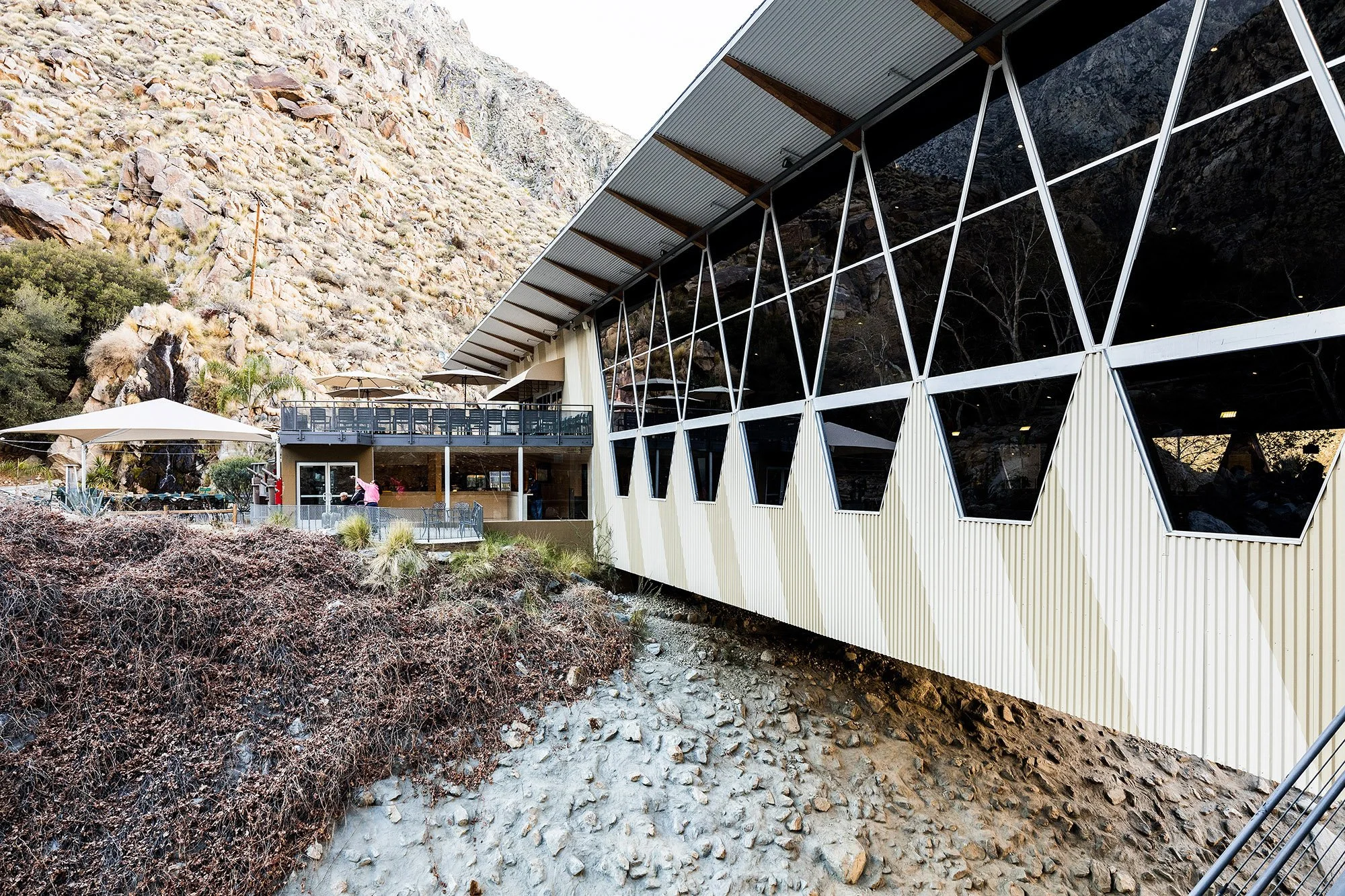
If you choose not to fly and are instead arriving from the west by car, your official welcome to Palm Springs will be the Tramway Gas Station, now known as the Palm Springs Visitors Center, completed in 1965. Designed by Frey & Chambers and showcasing Frey’s bold geometric flair, its hyperbolic paraboloid roof, often called a “flying wedge,” was designed to draw the attention of highway travelers arriving from Los Angeles. This structure, originally an Enco station, has since become an iconic gateway to Palm Springs, symbolizing the city’s modernist heritage. Along with the Gas Station, Frey was also central to the design of the Tramway Valley Station, where you can jump on a tramway car and go from hot desert floor to frigid mountain top in minutes. I speak from experience - bring a coat with you!
Loewy House
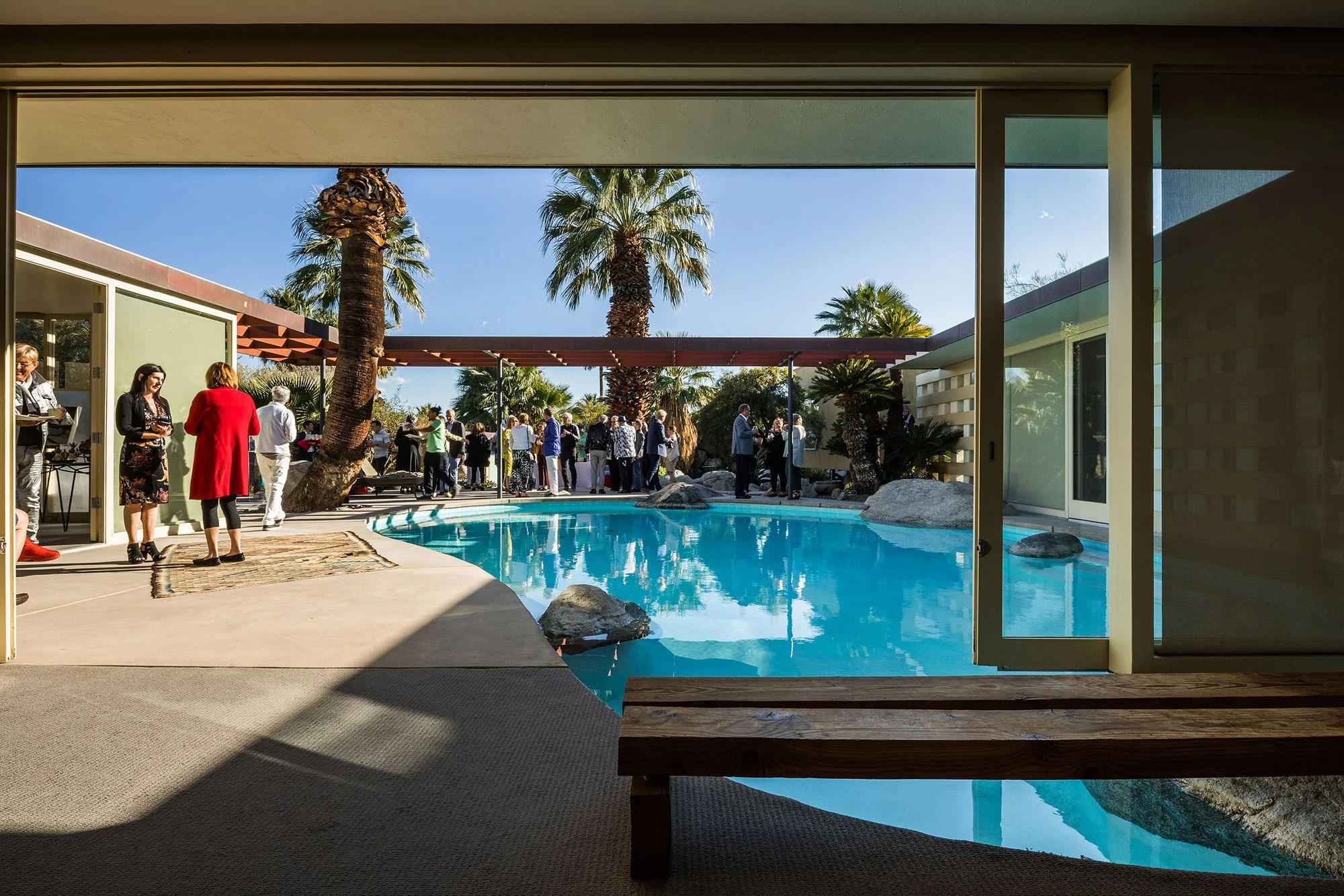
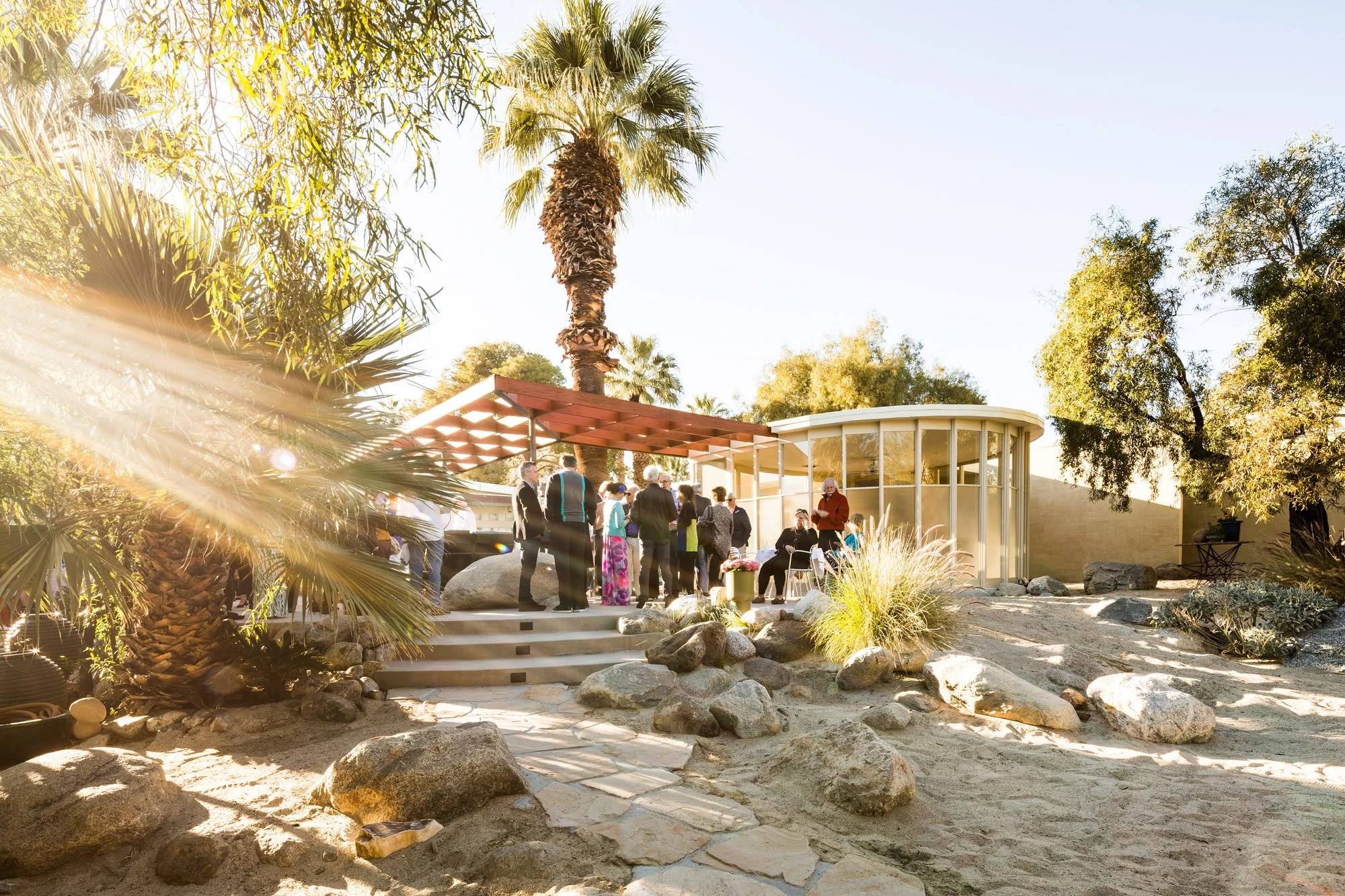
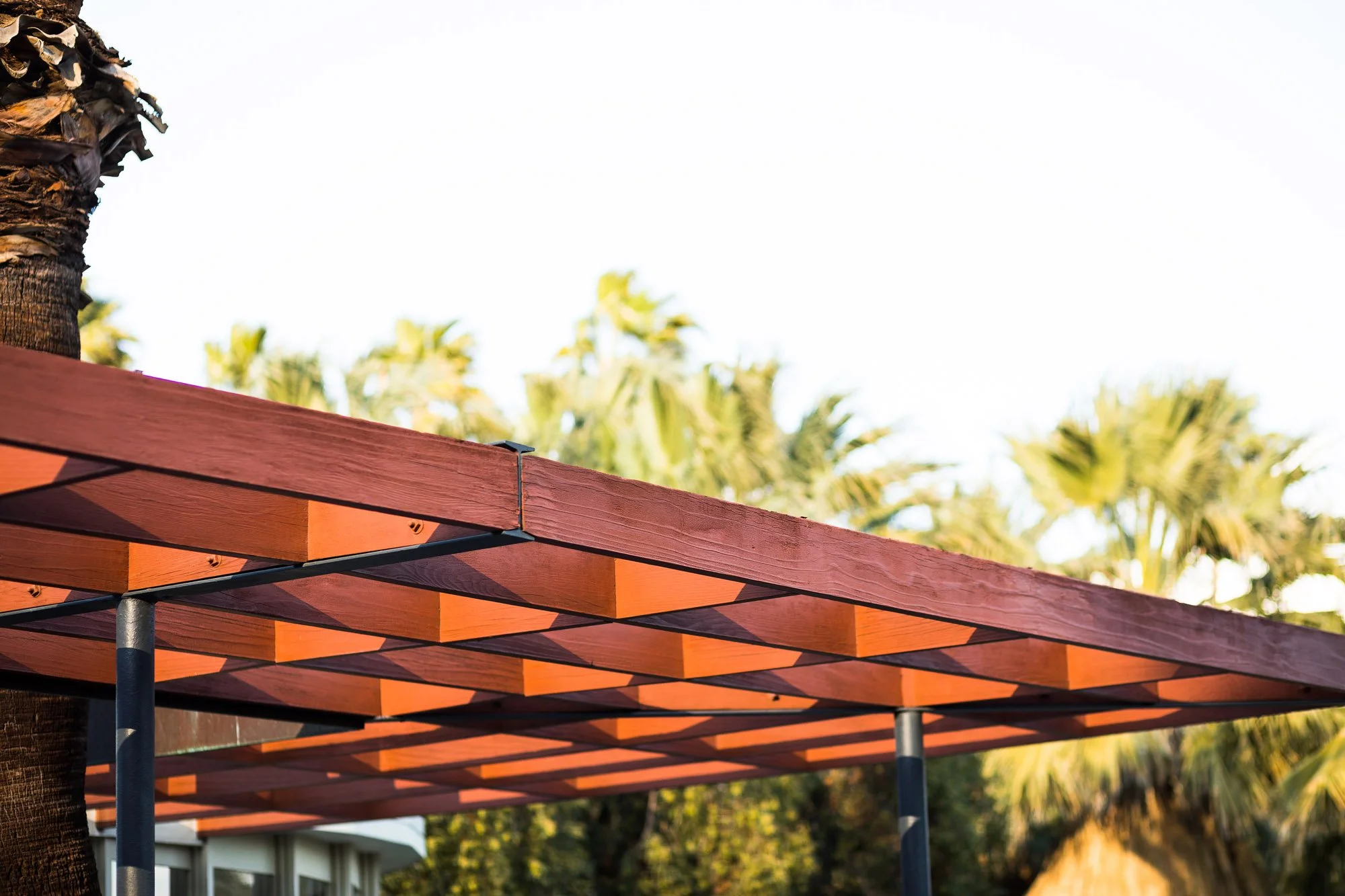
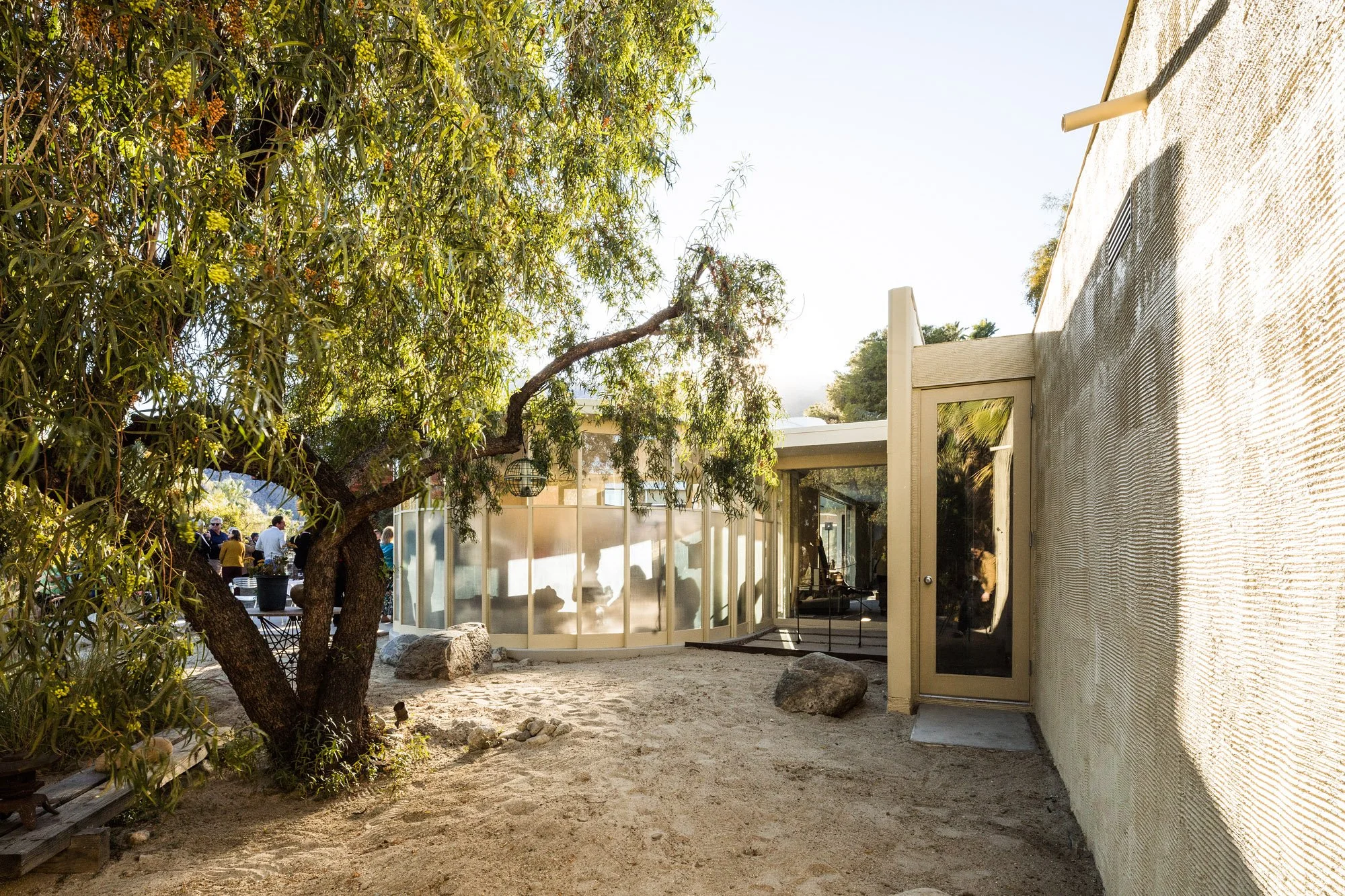
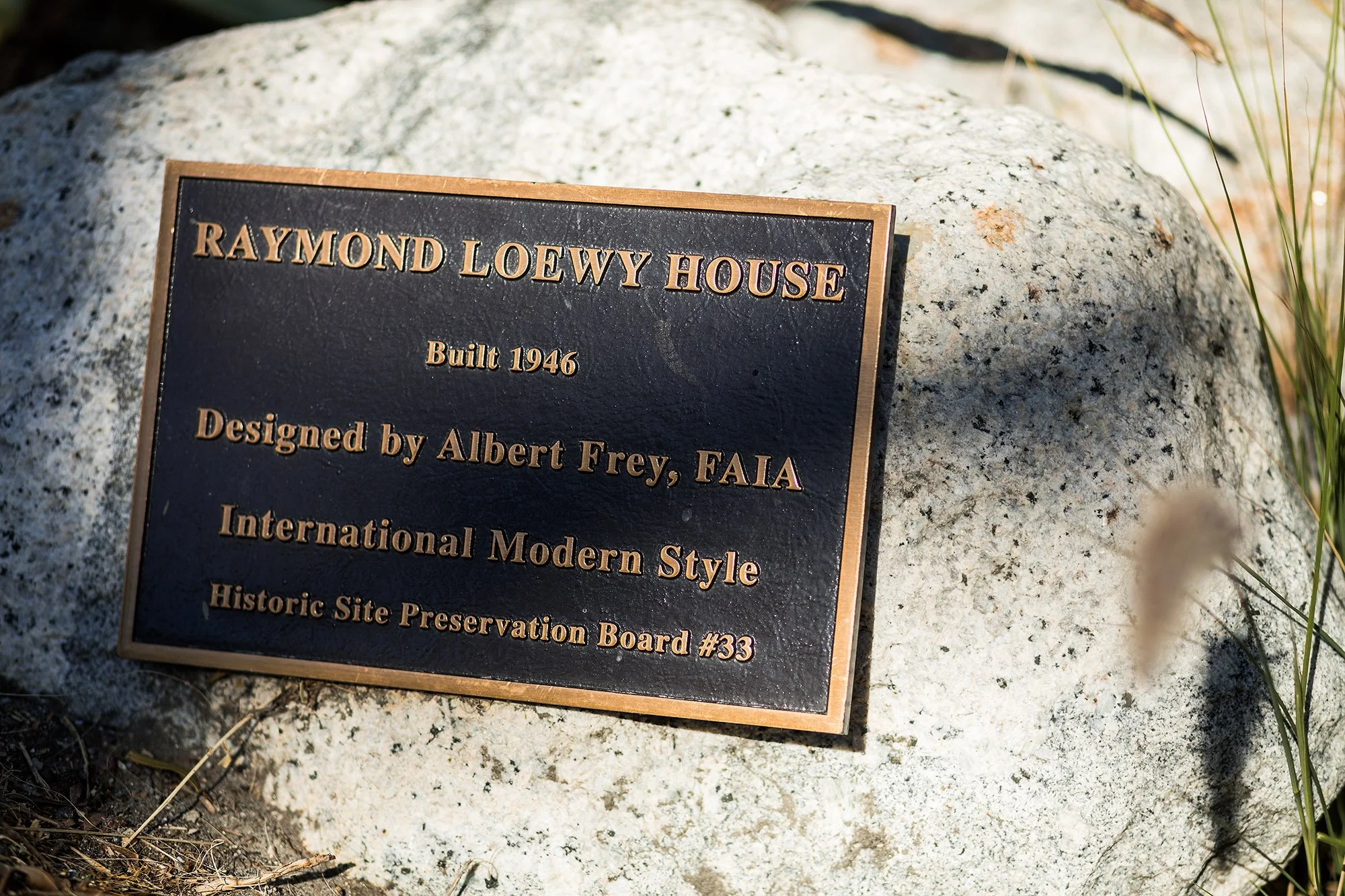
The Raymond Loewy House is one of Albert Frey’s most memorable designs in Palm Springs. Commissioned by renowned industrial designer Raymond Loewy as a winter retreat and bachelor pad, the compact single-story home exemplifies Frey’s Desert Modernist ethos through its seamless integration with the rugged site. Frey ingeniously incorporated a massive boulder pile (which was displaced during nearby road construction…) into the landscape, using it to anchor the outdoor spaces and create a natural, harmonious feel. The L-shaped plan consists of two long, narrow rectangles at right angles, wrapping around a central pool that partially extends under one wing, with expansive sliding glass walls opening to patios and blurring indoor-outdoor boundaries. Features include a curved glass-walled pavilion, a large covered overhang for shade, minimalist materials like concrete and glass, and multiple outdoor entertaining areas oriented toward stunning mountain views. Featured in LIFE Magazine shortly after completion, the house was later renovated (including additions and a freestanding studio) while preserving its core integrity; it earned Class 1 Historic Site status from the City of Palm Springs and was added to the National Register of Historic Places in 2015.
Albert Frey’s legacy in Palm Springs endures through these structures, which now, almost a century after he began his work in the city, continue to inspire architects and everyday visitors alike. His innovative approach not only shaped the Desert Modernist movement, but also eventually helped to transform Palm Springs into a living museum of mid-century design.